People & Fashion
The label test: read fibre composition before buying black clothing online
A four-step method for turning fibre percentages, lining, care instructions and return terms into a better black-wardrobe decision.
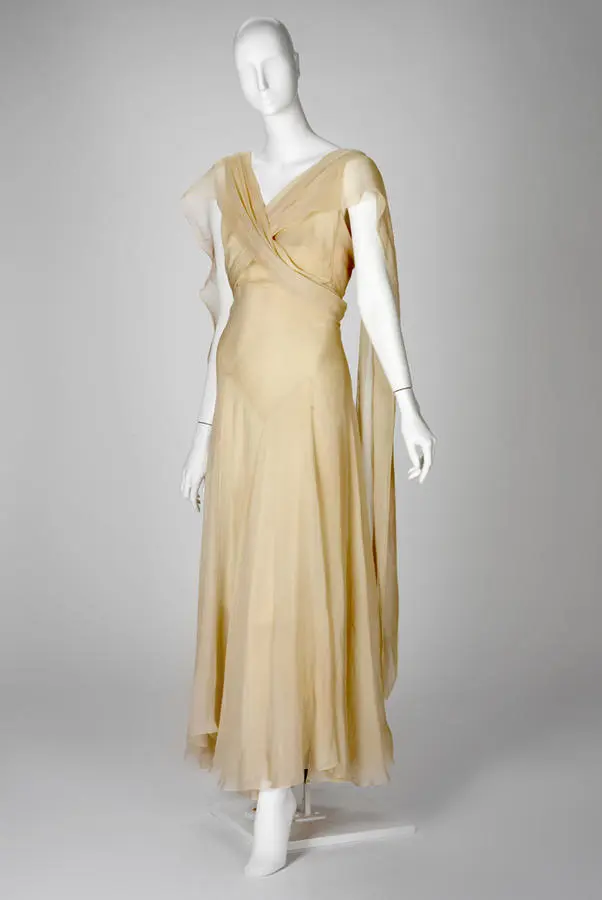
Black clothing rewards precision. A product photograph can suggest fluidity, structure or opacity, but it cannot prove how the cloth will feel, recover, breathe or respond to care. The fibre label is not the whole garment; cut, yarn, weave, finish and lining still matter. Yet it is the most useful factual checkpoint available before an online purchase. Read it with the care label and return policy, then make the garment earn its place.
Start with the exact composition, not the fabric mood
Look for generic fibre names and percentages for the main shell, then repeat for lining, trim and panels. ‘Satin’, ‘crepe’ and ‘jersey’ describe constructions or surfaces, not one fibre. The EU requires textile labels to state fibre composition and make it clearly visible before online purchase; US FTC rules likewise require generic fibre names and percentages for covered textiles.
Save a screenshot of the product page and label. If the listing says only ‘luxury blend’, ‘silky’ or ‘premium fabric’, ask for the composition before paying. Marketing language can describe a feeling; it cannot replace a fibre disclosure.
Translate percentages into questions, not promises
Cotton, wool, silk, viscose, polyester, polyamide and elastane can each behave very differently depending on yarn, weight, weave and finish. A high natural-fibre percentage does not automatically mean cool, durable or easy to care for; a synthetic percentage does not automatically make a garment poor. Use the numbers to ask what function each component serves.
For a black tailored piece, ask whether the cloth resists shine at stress points and whether the lining breathes. For a fluid dress, ask about opacity, cling and recovery after sitting. For knitwear, ask about pilling and shape retention. The answer should refer to the actual garment, not a universal fibre stereotype.
Read the hidden second garment
The lining can decide heat, static, opacity and alteration options. Check whether it covers the whole garment, ends above the hem, or appears only in the bodice. A breathable shell paired with a dense lining may feel very different from the front-page description.
Then read the care instruction. ‘Dry clean only’ changes the lifetime cost. Washing temperature, drying method and ironing limits also reveal how carefully the maker expects the item to be handled. The FTC Care Labeling Rule requires manufacturers and importers in the US to provide a regular-care method; other markets have their own rules.
Run the evidence-and-return check
Before checkout, capture composition, care, measurements, country of manufacture, seller identity, delivery estimate and return window. Compare garment measurements with a similar piece you already own; do not rely on the size name alone. If essential information is absent, treat the uncertainty as part of the price.
On arrival, keep tags attached while you inspect the label against the listing. In indirect daylight, check opacity and colour consistency; then sit, reach and walk indoors within the return rules. Return promptly if the garment contradicts the disclosed composition, measurements or function. This is a buying method, not a guarantee of quality or legal advice.
A strong black wardrobe is built less by chasing fabric buzzwords than by making every claim answer to evidence. Read the composition, separate shell from lining, translate the percentages into garment-specific questions, and price the care burden before purchase. The label will not tell you everything—but it can stop a beautiful photograph from making the whole decision.
Editorial sources
- European Commission / Your Europe — Textile label rules and online visibility (checked 19 September 2026)
- EUR-Lex — Regulation (EU) No 1007/2011 on textile fibre names and labelling (checked 19 September 2026)
- US Federal Trade Commission — Textile Fiber Rule (checked 19 September 2026)
- US Federal Trade Commission — Apparel and care labelling overview (checked 19 September 2026)
- Wikimedia Commons — RISD Museum photograph, CC0 1.0 (retrieved 19 September 2026)