Food & Style
Chocolate after dark: taste, plate and dress the evening
A BlackFab tasting flight in five considered moves—from reading the bar and clearing the palate to black tailoring, cocoa-toned makeup and the final note.
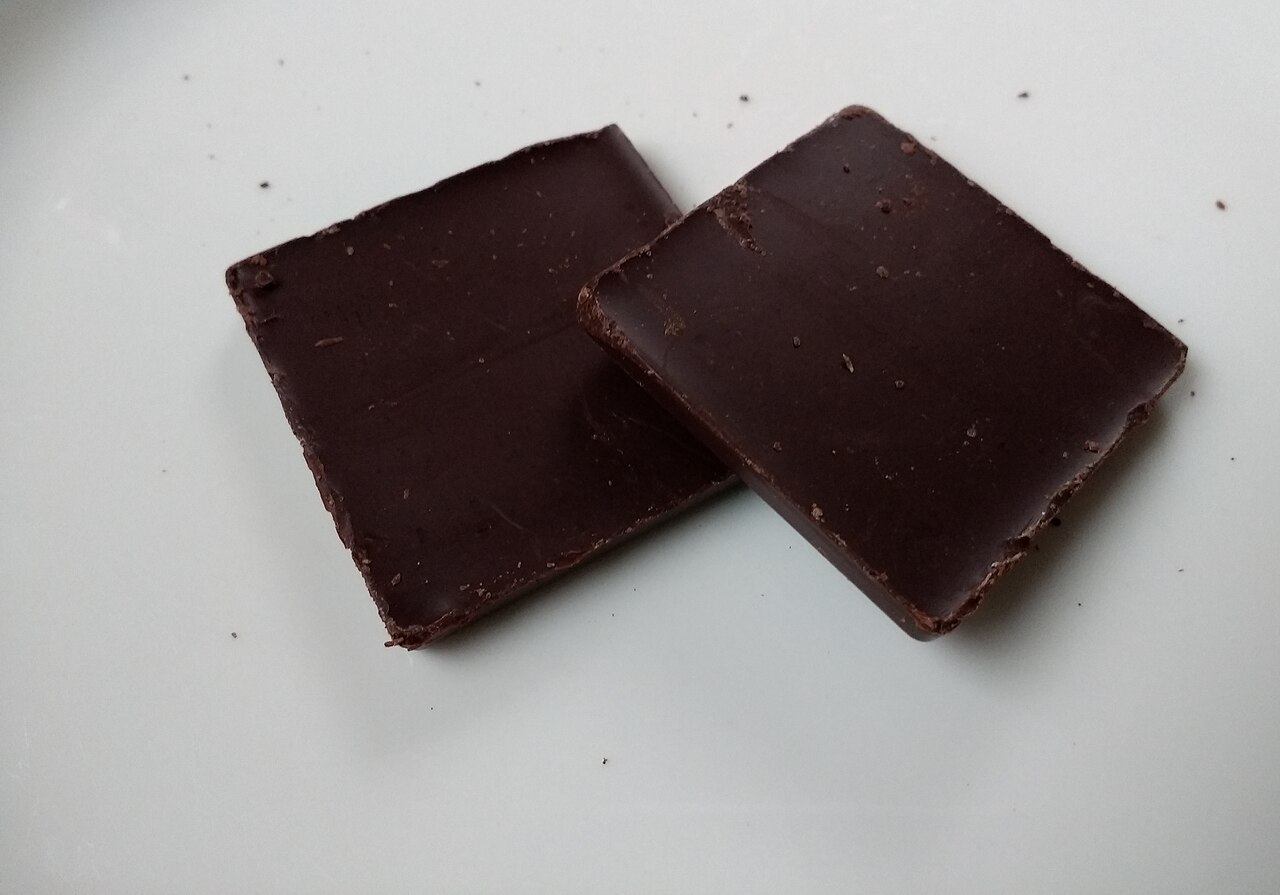
A dark-chocolate tasting needs less theatre than attention. Three or four bars, a quiet table and a useful vocabulary can turn an after-dinner square into an evening with shape. This is not a hunt for the most bitter bar or the most impressive percentage. It is a way to notice aroma, texture and finish, to host without turning pleasure into an exam, and to let black clothing and cocoa-toned beauty echo the table without becoming costume.
Read the bar before the first bite
Begin with the ingredient list, cacao percentage, declared origin or blend, additions and allergen statement. A higher number tells you more about the share of cacao ingredients than it does about whether you will enjoy the bar. Recipe, fermentation, roasting and manufacture all shape flavour, so percentage is a coordinate—not a crown.
Names are regulated differently across markets. The FDA guidance linked below is a useful US example of how technical the words ‘chocolate’ and ‘chocolate flavoured’ can be; it is not a universal rule. Buy from a seller who gives a legible local label, keep the wrapper beside each plate, and never guess about milk, nuts, soy or other allergens for a guest.
Build a flight, not a pile
Choose three or four bars with one clear difference between them: origin, cacao percentage, production style or one declared inclusion. Break modest, similar-size pieces and place them from gentler to more intense; move salted, spiced or flavoured bars to the end. Number the plates so packaging and tasting notes never become separated.
Bring the chocolate to a comfortable room temperature while following its storage instructions. Very cold chocolate releases aroma slowly; a hot room softens texture and blurs comparisons. Serve still water and plain, unsalted crackers, and leave coffee, perfume and scented candles until after the flight. The elegant table is the one that lets the ingredient remain audible.
Taste in five quiet movements
Look at the surface and colour, smell before eating, listen to the break, allow a small piece to melt, then notice what remains after it is gone. The snap alone is not a quality verdict: temperature, formulation and thickness change it. Write what you perceive—citrus, dried fruit, roasted nut, flower, spice, wood, caramel, bitterness or acidity—before looking at the maker’s notes.
Use description before judgement. ‘Bright acidity with a dry finish’ gives the table something to discuss; ‘too strange’ closes the conversation. Cacao of Excellence built its professional guide around transparent protocols and a shared sensory language. At home, borrow the spirit rather than pretending to run a laboratory: taste blind if it makes the group curious, reveal labels, then allow preference to remain personal.
Plate the darkness with restraint
White or ivory porcelain makes crumbs and colour visible; black linen gives the arrangement depth. Use one low pool of warm light, separate utensils for allergen-sensitive guests and a small dish for wrappers. Fruit, nuts and coffee can arrive after the comparison, when pairing becomes pleasure rather than interference. Nothing on the table needs to imitate a chocolate shop window.
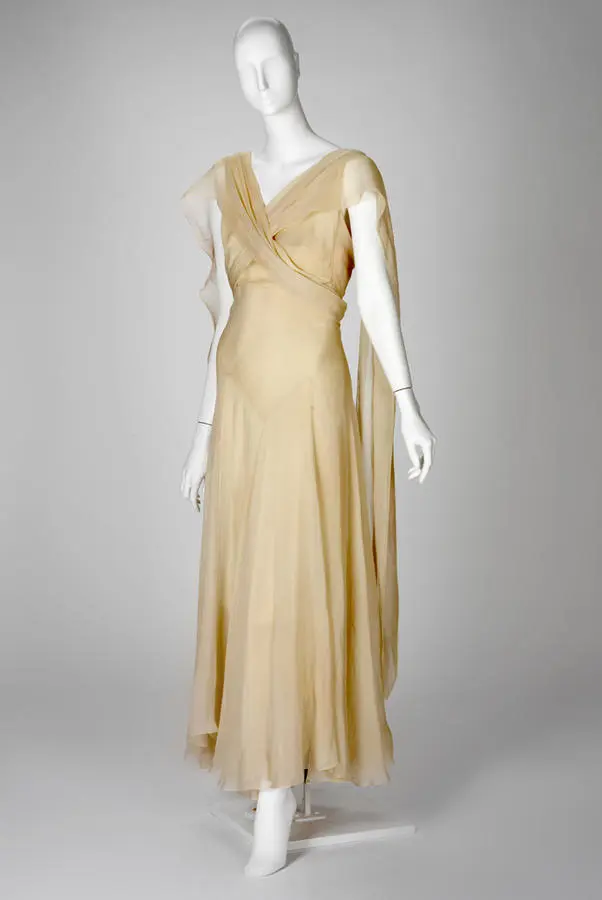
Let the dress code follow the same edit. A long black column, precise jacket or fluid abaya needs only one cocoa, burgundy or ivory accent. For makeup, choose satin skin, brown liner and a rosewood or muted berry lip that is comfortable to eat in; carry it for a discreet touch-up after tasting. The face should look like the host, not like a dessert palette.
Close the evening with a useful note
Ask each guest for one favourite and one surprise, not a ranking of who tasted correctly. Record the bar, date and two or three descriptors in a small notebook. Over time, patterns emerge: perhaps you prefer floral acidity to roasted depth, or a smooth melt to a dramatic snap. That knowledge is more useful than buying by prestige alone.
Rewrap what remains, keep flavours separate and store according to the maker’s instructions in a cool, dry place away from strong odours. Do not turn the evening into a health claim: chocolate is food and pleasure, not treatment. The luxury lies in attention—reading honestly, serving considerately and knowing when the last square has said enough.
The best chocolate evening is not the one with the rarest bar. It is the one that gives every square enough quiet to become specific, every guest enough freedom to disagree and every visual detail a reason to be there. Three bars, clean light, black cloth and an attentive palate: after dark, restraint tastes remarkably complete.
Editorial sources
- Cacao of Excellence — Guide for the Assessment of Cacao Quality and Flavour (checked 4 August 2026)
- International Cocoa Organization — cocoa processing and flavour FAQ (checked 4 August 2026)
- US FDA — guidance on ‘chocolate’ and ‘chocolate flavoured’ labelling (US context; checked 4 August 2026)
- Saudi Food and Drug Authority — declared food allergens (checked 4 August 2026)