Food & Hosting
The midnight picnic: a polished desert supper after sunset
A practical BlackFab guide to an elegant outdoor table—edited food, intelligent packing, beautiful layers and a beauty look that belongs beneath the evening sky.
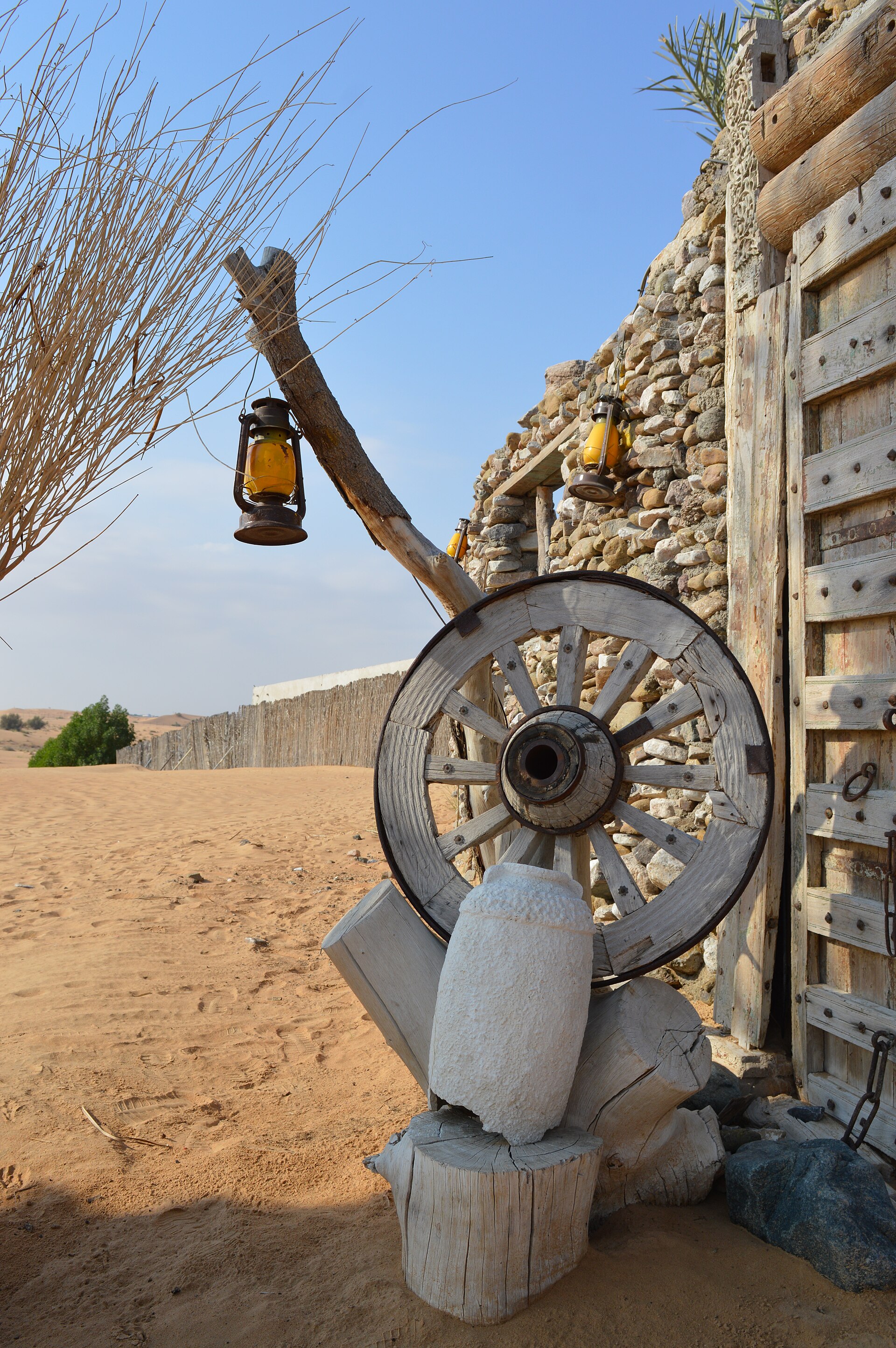
A desert picnic becomes luxurious long before anything expensive is added. The real transformation happens when the gathering is edited: one beautiful cloth, a menu that travels well, light that flatters the table and enough organisation for the host to sit down. After sunset, familiar ingredients—dates, fruit, coffee, bread and something chilled—can feel cinematic without becoming theatrical. This is the BlackFab formula for creating that mood with less effort and more intention.
Set the atmosphere before you set the menu
Choose the location for comfort first and photographs second. A stable, permitted area with easy access, a clean surface and a clear route back to the car will make the evening feel composed. Arrive while there is still enough light to place everything safely, then let blue hour change the setting around you. Avoid exposed flames; a safely enclosed lantern or rechargeable warm light gives the table definition without turning it into a stage.
Limit the palette to three notes: black or charcoal for depth, ivory for softness and one edible accent such as pomegranate red or citrus gold. A single low cloth is more elegant than multiple competing rugs, and a few cushions should support real comfort rather than serve as props. The objective is a setting people can relax inside, not a photograph they are afraid to disturb.
Build an edited menu that travels beautifully
The strongest picnic menu is generous but not complicated. Begin with foods that remain attractive after transport: whole dates, figs, nuts, sturdy bread, olives and fruit that can be prepared close to serving. Add one composed savoury dish and one sweet finish rather than carrying a complete dining-room menu into the desert. Every item should earn its place by being easy to portion, pleasant at the intended temperature and simple to clear away.
Think in contrasts. Pair something crisp with something creamy, something bright with something deeply spiced, and something familiar with one unexpected detail. A pomegranate and herb salad, small sandwiches wrapped individually, or a cardamom cake cut into neat squares can create rhythm without requiring last-minute assembly. Label ingredients discreetly when guests may have allergies, and keep sauces in sealed containers until the table is ready.
Treat food safety as part of elegant hosting
Warm-weather hospitality needs a cold plan. Official food-safety guidance recommends keeping perishable food properly chilled with ice or frozen gel packs and limiting the time it spends unrefrigerated; in very hot conditions, that safe window becomes shorter. Pack cold items last, place them in a fully chilled insulated carrier and take out only the amount you expect to serve. A separate drinks cooler prevents repeated opening of the food carrier.
Keep ready-to-eat food separate from anything raw, use clean utensils and never return served food to a container that held uncooked ingredients. BlackFab’s easiest approach is to make the menu almost entirely ready to eat before leaving home. If chilled food has become warm or its storage history is uncertain, do not negotiate with it for the sake of avoiding waste. Thoughtful quantities, smaller serving plates and a clear disposal plan are more graceful than overpacking.
Dress the table—and yourself—with restraint
Use pieces that feel beautiful but are not precious. Matte melamine or durable ceramic-look plates, real cutlery in a small roll, washable napkins and unbranded glassware can look polished while surviving the journey. Decanting is not necessary for every item; safety and accurate ingredient information matter more than disguising packaging. Instead, keep commercial containers inside the basket and bring only the serving pieces to the cloth.
For the host, choose a fluid layer that allows movement, secure flat shoes and one accessory that catches lantern light. Makeup should be equally edited: comfortable skin preparation, groomed brows, softly defined eyes and a lip colour that can be reapplied without a mirror. Deep rose, warm nude and muted berry sit beautifully against black clothing and twilight, but the best shade is the one you already trust to wear evenly.
Design the ending as carefully as the arrival
A successful outdoor supper ends without leaving evidence behind. Bring separate bags for recycling and general waste, a container for used cutlery, wipes for surfaces and enough water for hands. Count small items before leaving—bottle caps, ribbon, tissues and food picks disappear easily in low light. Never leave fruit peel, coffee grounds or food scraps on the assumption that they are natural; they still alter the place and may affect wildlife.
Finish with one simple ritual: Arabic coffee poured slowly, a small sweet passed around, or a final glass of chilled citrus water while the table is cleared in stages. Packing becomes less abrupt when conversation continues. The host who plans the closing can leave calm rather than exhausted, which may be the most convincing expression of luxury in the entire evening.
The midnight picnic is not about reproducing a restaurant in the sand. It is about recognising what the landscape already provides—scale, quiet, changing light—and bringing only what makes people more comfortable within it. Edit the menu, protect the food, dress with ease and leave the place immaculate. The result feels special because nothing is fighting for attention.