Places & Style
The museum day edit: dressing from galleries to dinner
A practical formula for a long cultural day—quiet tailoring, walkable shoes, a compact bag, fresh makeup and one elegant after-dark switch.
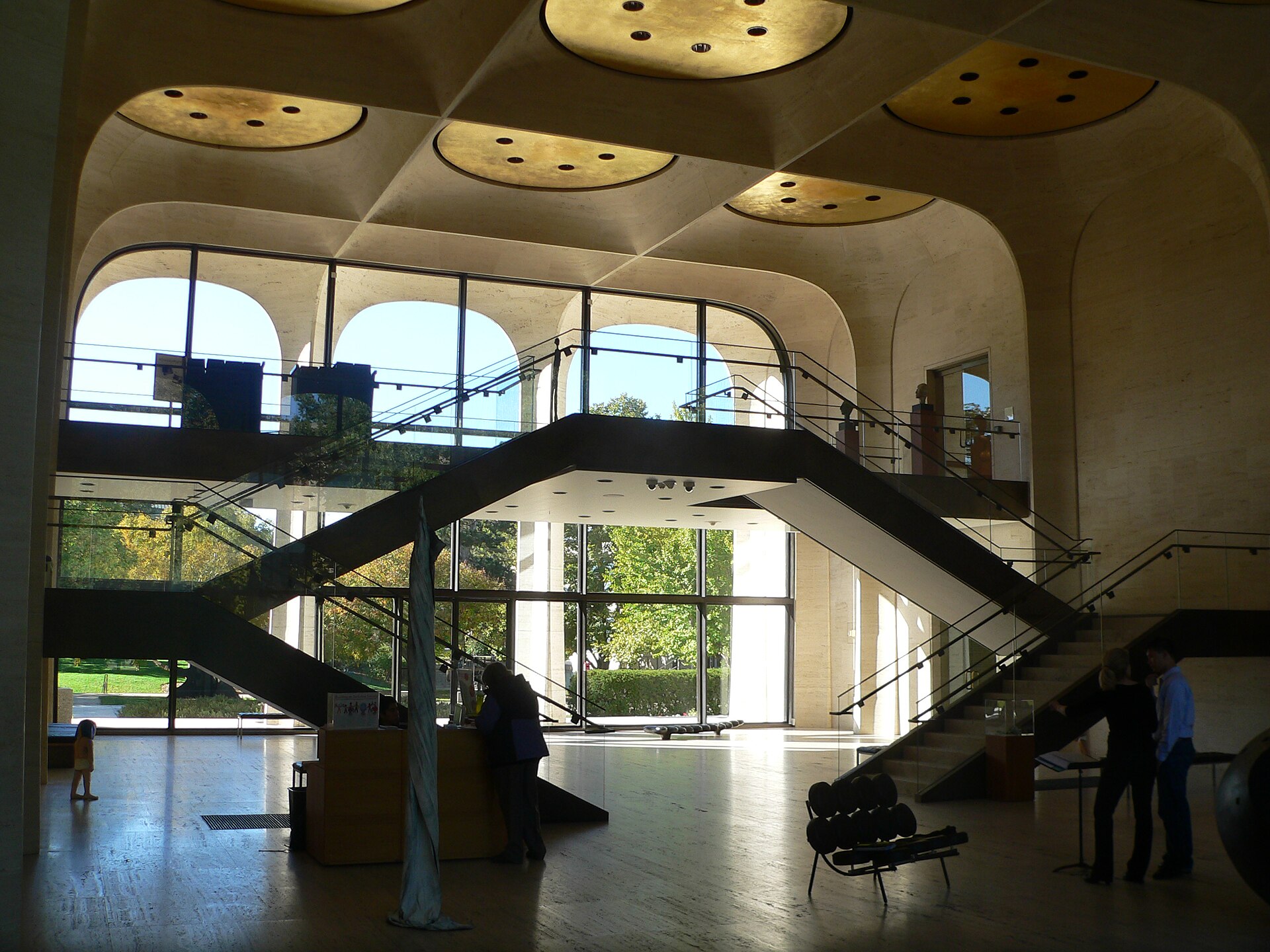
A museum day has its own rhythm: a bright walk to the entrance, cool galleries, long periods on your feet, a coffee pause and perhaps dinner without returning home. The strongest outfit does not perform for one photograph; it supports the entire sequence. BlackFab’s museum edit is built around quiet structure, controlled colour and a beauty look that can be refreshed in two minutes. The result should let you notice the art, the architecture and the people you came with—without spending the day managing what you wore.
Dress for the whole itinerary, not the entrance photograph
Begin with the actual day. Note how far you will walk, whether part of the route is outdoors, where coats or large bags can be left and whether the venue has specific photography or security rules. Policies vary: major museums may inspect bags, restrict larger items or limit photography in particular galleries. Check the venue’s current page before leaving rather than designing the outfit around an assumption.
Build the look from a breathable foundation and one removable layer. A clean column of black, deep brown or charcoal beneath an ivory, sand or muted olive coat creates definition without needing constant adjustment. If the day moves from heat into strong air-conditioning, the outer layer should be light enough to carry and useful enough to justify its place.
Choose a silhouette that respects the space
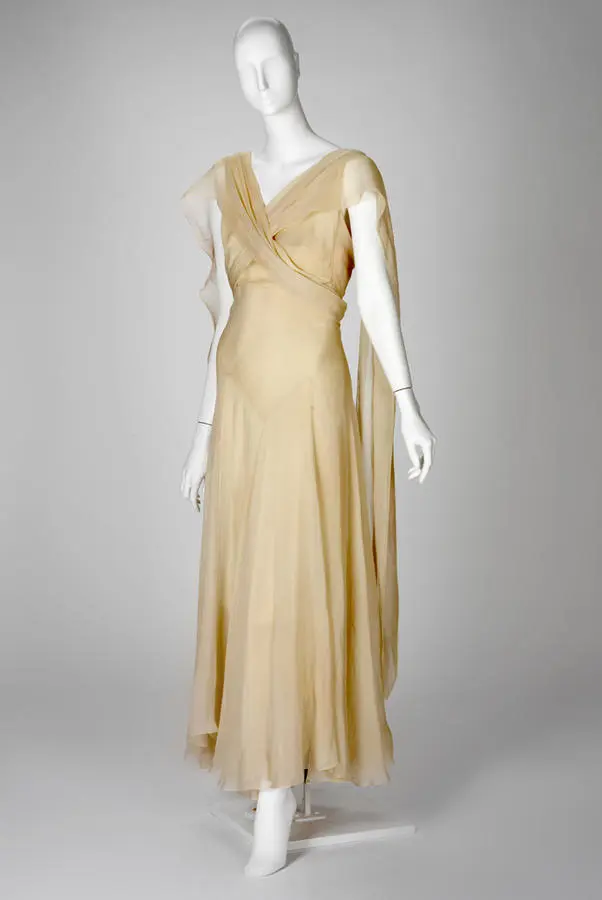
Gallery dressing is most elegant when it has presence without taking up unnecessary room. Look for a controlled shoulder, a fluid line and sleeves that do not trail near displays. A long coat, abaya-inspired layer or relaxed suit can feel architectural, but hems should clear the floor and cuffs should allow you to move without brushing against objects or other visitors.
Texture is more interesting than ornament under gallery lighting. Matte wool, crepe, crisp cotton and softly grained leather hold their character from room to room, while a restrained contrast—ivory against black, brushed gold against charcoal—creates enough visual rhythm. Avoid accessories that need repeated checking, make noise or catch on clothing. The ideal look becomes quieter once you enter the exhibition.
Let the shoes and bag protect your attention
A museum is not the place to discover whether a shoe is truly comfortable. Wear a polished flat, refined trainer, loafer or low stable heel that you have already tested for several hours. The goal is not simply to avoid pain; it is to preserve an open posture and a natural pace. When the shoe works, you stop planning where to sit and begin seeing more.
Keep the bag compact and close to the body. A structured cross-body or small shoulder bag holds the essentials while leaving your hands free and reducing the chance of swinging into people or displays. Because bag rules differ, check the museum before choosing an oversized tote. Carry only what the day needs: phone, cardholder, lip colour, blotting papers, tissues and one small mirror.
Build makeup for mixed light, not a single mirror
Museum light can move from daylight to dim galleries and bright cafés within minutes. A thin, well-blended base usually travels more gracefully than heavy coverage. Prepare the skin with products you already know, use sun protection when the itinerary includes outdoor exposure, and place coverage only where you want it. A softly defined eye and groomed brow remain legible without looking overworked in close spaces.
Choose one feature that can carry the transition into evening. A deep rose, muted berry or polished neutral lip is easy to renew; alternatively, a clean liner can give the face structure while the rest stays soft. Instead of adding more powder throughout the day, press away surface shine first and reassess. The most refined refresh is often subtraction followed by one precise touch.
Photograph with restraint and remain part of the room
Photography rules are not universal. The Louvre, for example, permits personal photography in its permanent collections but prohibits flash, lighting and selfie sticks, while temporary exhibitions may impose additional limits. Other institutions set different rules. Read the signs, follow staff instructions and never assume that a phone makes a photograph automatically acceptable.
If photography is allowed, make one or two considered frames and step away. Do not block the central view, lean toward an artwork or turn a quiet gallery into a private set. Keep conversation low, silence the phone and leave enough distance for other visitors to experience the work. Style belongs in cultural spaces when it participates with awareness rather than competing for ownership.
Make one intelligent switch before dinner
A complete change is rarely necessary. Fold a scarf into the bag, exchange a daytime stud for one sculptural earring, or deepen the lip colour after the final gallery. These small moves change the emphasis without asking you to carry another outfit. If the coat was the statement during the day, dinner may be the moment to remove it and let the clean foundation underneath take over.
Before leaving the museum, take two minutes to reset: return tickets and receipts to the cardholder, smooth the outer layer, check the shoes and refresh only what needs attention. The transition feels luxurious because it is controlled. You arrive at dinner as though the day has unfolded naturally, not as though you have been preparing for the next image since breakfast.
The best museum-day look is memorable in retrospect, not demanding in the moment. It gives you a clear silhouette, comfortable movement and one or two details that feel unmistakably yours. Dress for curiosity, edit the bag, respect the room and save one small transformation for evening. The real luxury is being fully present from the first gallery to the final table.