People & Beauty
The perfumer’s brief: find the scent for your black dress
A precise, unhurried way to speak to a fragrance adviser, test on paper and skin, read the label—and leave with a scent rather than a sales story.
The least useful sentence at a perfume counter is often ‘I want something elegant.’ Elegant can be cool silk, smoked wood, white flowers after sunset or almost nothing at all. A good fragrance conversation begins when the customer supplies a scene and the adviser listens for its edges. This guide turns that exchange into a repeatable brief: what to say, what to test, what to record and when to walk away. The black dress is our constant—not because every scent must match a colour, but because a disciplined silhouette makes a revealing question: what kind of presence do you want to leave in the room?
Brief a scene, not a pyramid
Before naming notes, describe the hour, room, fabric and distance. ‘Evening dinner, black crepe, close conversation, polished rather than sweet’ gives an adviser more to work with than ‘oud’ or ‘vanilla’ alone. Add three adjectives and one refusal: perhaps dry, luminous, composed—and not powdery. The refusal is useful because it marks a boundary without pretending you already know the formula.
Bring one fragrance you enjoy and one you do not, if possible, but explain the feeling rather than asking for a copy. A skilled adviser can translate contrasts: crisp versus enveloping, quiet versus expansive, sheer versus dense. Price, house history and bottle design can be part of pleasure, yet they should enter after the scent has earned attention—not before.
Give every blotter an identity
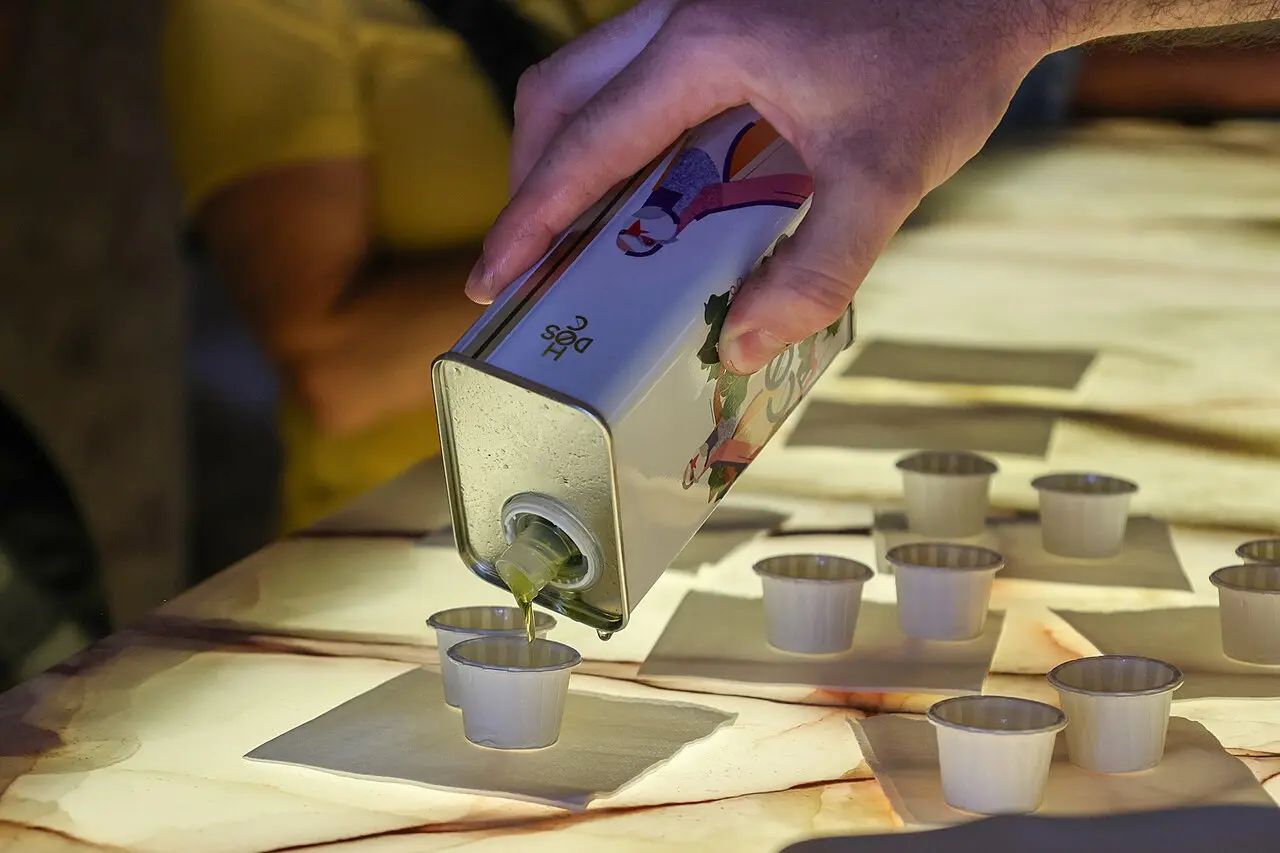
Start on paper. Write the fragrance name and time on the blotter before it joins the others, then smell it at a comfortable distance instead of pressing it against the nose. Keep the first round small. The objective is not to prove olfactory stamina; it is to preserve enough attention to notice which candidate you want to meet again.
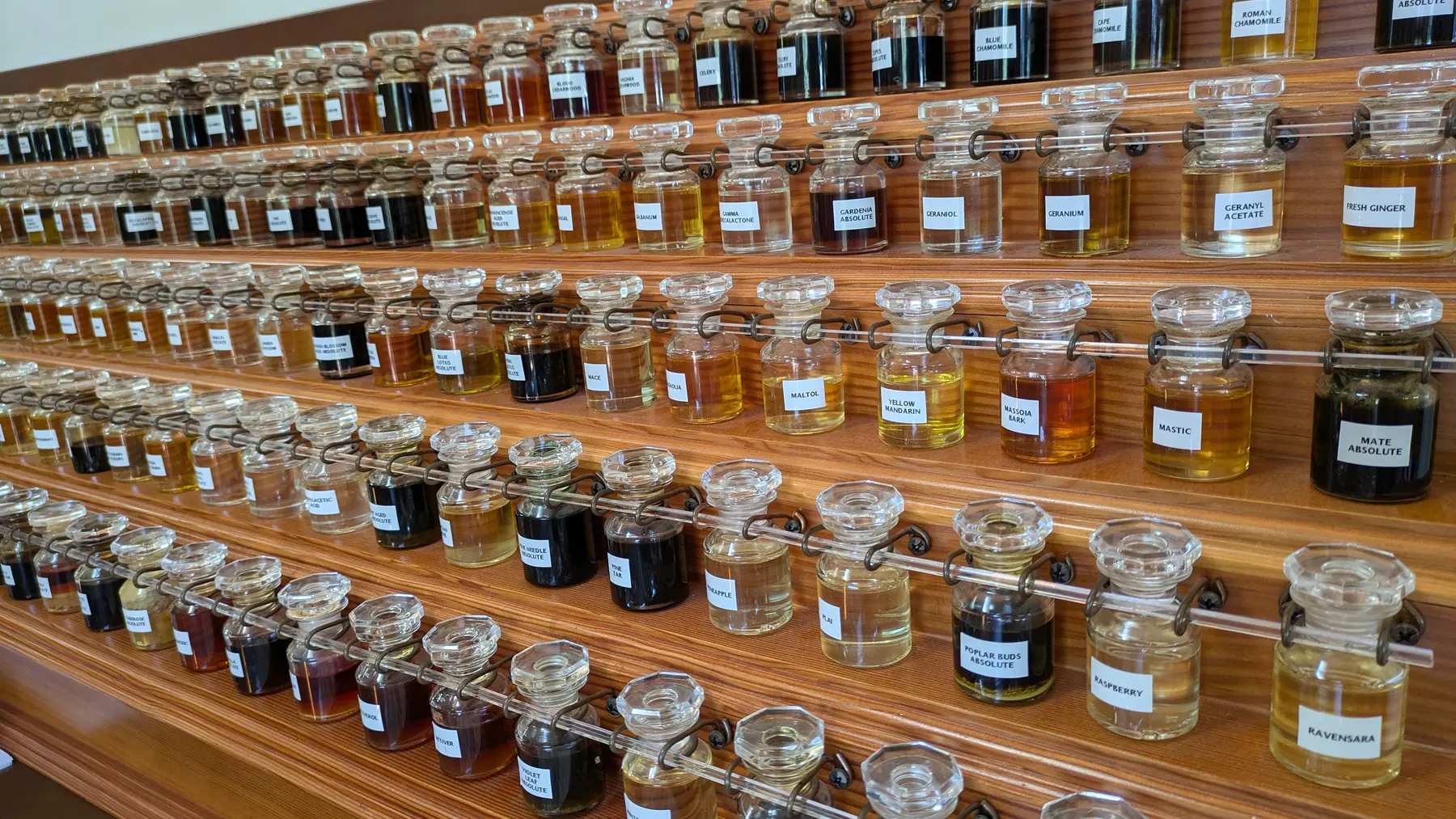
The opening is an introduction, not the whole composition. Revisit the paper later in the visit and again after you have left the counter. Record plain observations—green, waxy, peppery, clean fabric, warm wood—rather than searching for the ‘correct’ note. Perfumery museums preserve raw materials, processes and finished works because scent is technical and cultural; your private record can be modest while still taking that complexity seriously.
Move one finalist to skin
Paper is a screen; skin is the wearing context. When one candidate remains interesting, test a small amount as directed by the brand or counter and allow it to accompany an ordinary stretch of your day. Do not layer several unknown fragrances on the same area. The question is not whether your skin performs magic, but whether you still enjoy the scent through movement, temperature, clothing and proximity to other people.
Cosmetic guidance is not medical advice. Read the label and ingredient information, follow the directions and avoid applying a product to irritated or broken skin. If you know you react to fragrance ingredients, do not let a sales ritual override that knowledge; ask the manufacturer for information or skip the skin test. Stop use if a reaction occurs and seek appropriate professional care when needed.
Separate the composition from its mythology
A note list describes an impression; it is not necessarily a literal ingredient inventory. In the United States, for example, the FDA explains that a complex formula may appear on a cosmetic label simply as ‘fragrance’. Rules differ by market, so inspect the locally supplied label, directions and seller details. Ask what you can verify: format, concentration description, volume, batch or period-after-opening information where provided, and the shop’s return policy.
Treat ‘natural’, ‘clean’ and ‘hypoallergenic’ as claims to examine, not shortcuts to universal safety. The FDA notes that plant-derived ingredients are treated like ingredients from other sources and that some people can be sensitive to fragrance components. IFRA’s standards restrict, prohibit or set conditions for certain materials, but IFRA is an industry standards body—not a regulator and not a guarantee that every product suits every person.
Dress the scent—and keep the receipt
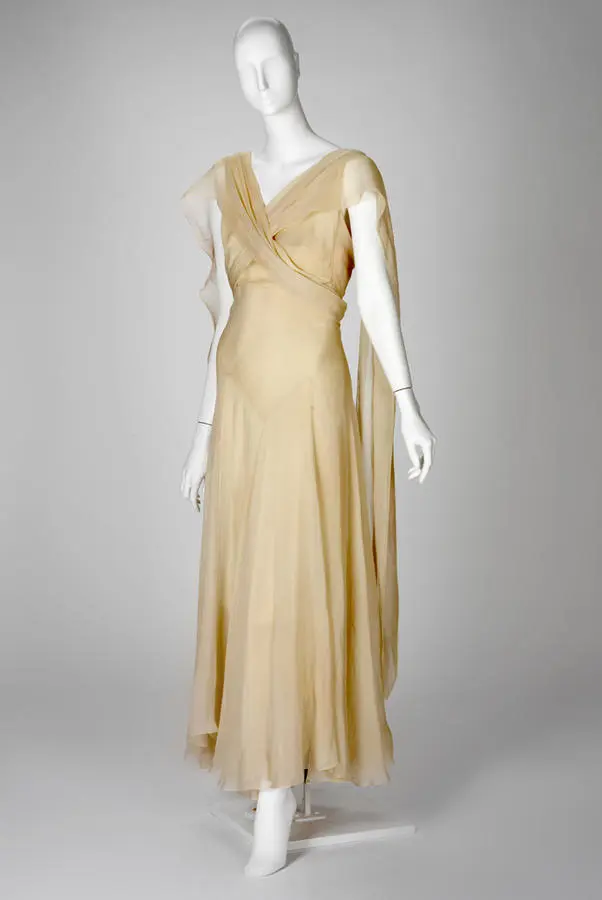
Let fabric suggest mood, never a compulsory match. Black silk can welcome a transparent floral or mineral citrus; velvet may carry resin, spice or dark fruit; crisp wool can make a dry wood feel exact. Keep makeup in dialogue rather than imitation: satin skin, defined lashes and one deliberate lip or cheek tone. If both perfume and makeup announce every idea, the dress loses its calm.
Before buying, write a final card: name, date, weather, paper impression, skin impression, where you would wear it and one reason not to buy it. Sleep on the answer when possible. Store any purchase according to its label, closed and away from avoidable heat and direct light. The real luxury is not finding a fragrance that everyone admires; it is recognising the one you can describe clearly enough to choose again.
A perfume counter becomes useful when the story slows down. Arrive with a scene, label the paper, give one finalist a real day and read what the package can actually prove. Then put on the black dress and ask the only question that matters: does the fragrance complete your presence, or merely explain itself loudly? The right answer rarely needs persuasion.
Editorial sources
- International Fragrance Association — IFRA Standards and safe-use overview (checked 9 August 2026)
- International Fragrance Association — role, scope and non-regulatory status (checked 9 August 2026)
- US FDA — Fragrances in Cosmetics, labelling and sensitivities (checked 9 August 2026)
- International Perfume Museum, Grasse — profession, materials and perfume heritage (checked 9 August 2026)
- Osmothèque — perfume archive and the work of osmocurator-perfumers (checked 9 August 2026)